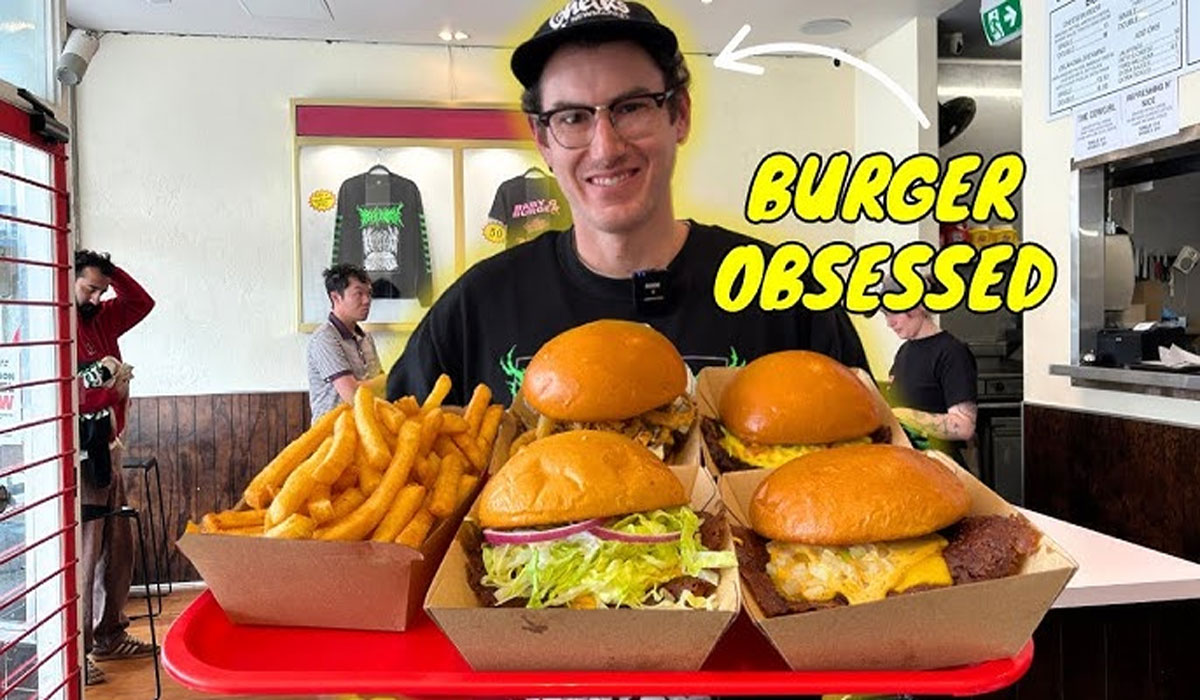
Food Mystery Deepens! Strange Patterns In What We Eat Go Viral Worldwide
Strange patterns in global food habits are going viral, raising questions about what we eat and the hidden trends behind it all.
A growing wave of unusual patterns in global food consumption is capturing attention across social media and news platforms. From shifting eating habits to unexpected dietary trends, people worldwide are beginning to notice changes that seem both surprising and unexplained. As these discussions spread rapidly online, many are questioning what is really influencing the way we eat today and whether there is more behind these trends than meets the eye. See and follow the complete information only at Up Satta King News.
Global Shift In Eating Habits
A noticeable shift in global eating habits has recently attracted widespread attention. People across different countries are consuming food in ways that appear increasingly unusual and inconsistent with past trends. Social media platforms have played a major role in highlighting these changes. Viral content shows surprising food combinations and rapidly changing dietary preferences. This has sparked curiosity among viewers.
Researchers are beginning to observe patterns that suggest broader behavioral changes. These shifts are not limited to one region but are appearing worldwide. This makes the trend more significant. While some view it as a cultural evolution, others believe deeper factors may be influencing what people choose to eat daily.
Viral Food Trends And Online Influence
Online platforms are heavily influencing modern food behavior. Viral challenges and food content are shaping how people perceive meals and ingredients. Certain foods suddenly gain popularity, while others quickly fade from public interest. This rapid cycle of change is becoming more common.
Influencers and content creators play a key role in spreading these trends. Their reach allows food ideas to spread globally within hours or days. As a result, food consumption is no longer driven only by tradition or necessity. Digital influence is becoming a powerful factor.
Also Read: The Business Secrets That Turn Small Ideas Into Big Profits!
Unusual Consumption Patterns Emerging
Experts have noticed unusual patterns in food consumption data. These include sudden spikes in demand for specific ingredients without clear explanations. Some regions show synchronized changes in eating habits that do not align with cultural or economic factors. This has raised questions among analysts.
There is also growing interest in unconventional diets that appear and disappear quickly. These trends are difficult to predict or explain. Such irregular behavior suggests that food choices may now be influenced by complex and interconnected global forces.
Possible Factors Behind The Changes
Several possible explanations are being considered for these strange patterns. Digital media influence remains one of the strongest factors. Globalization has also made diverse foods more accessible, leading to rapid experimentation in diets. This increases variability in consumption.
Psychological factors may also play a role, as people often follow trends for social acceptance or curiosity. This drives collective behavior. However, no single explanation fully accounts for all observed changes. The situation remains complex and multi-layered.
Impact On Food Industry And Future Trends
The food industry is closely monitoring these developments. Companies are adjusting marketing strategies to match rapidly changing consumer preferences. Product innovation is increasing as businesses attempt to keep up with unpredictable demand patterns. Flexibility has become essential.
Supply chains are also adapting to handle sudden shifts in ingredient popularity. This creates both challenges and opportunities. Looking ahead, experts believe food trends will continue to evolve rapidly. Understanding consumer behavior will be crucial for future stability.
Image Information Source:
- First Image of www.scientificamerican.com
- Second Image of www.scientificamerican.com